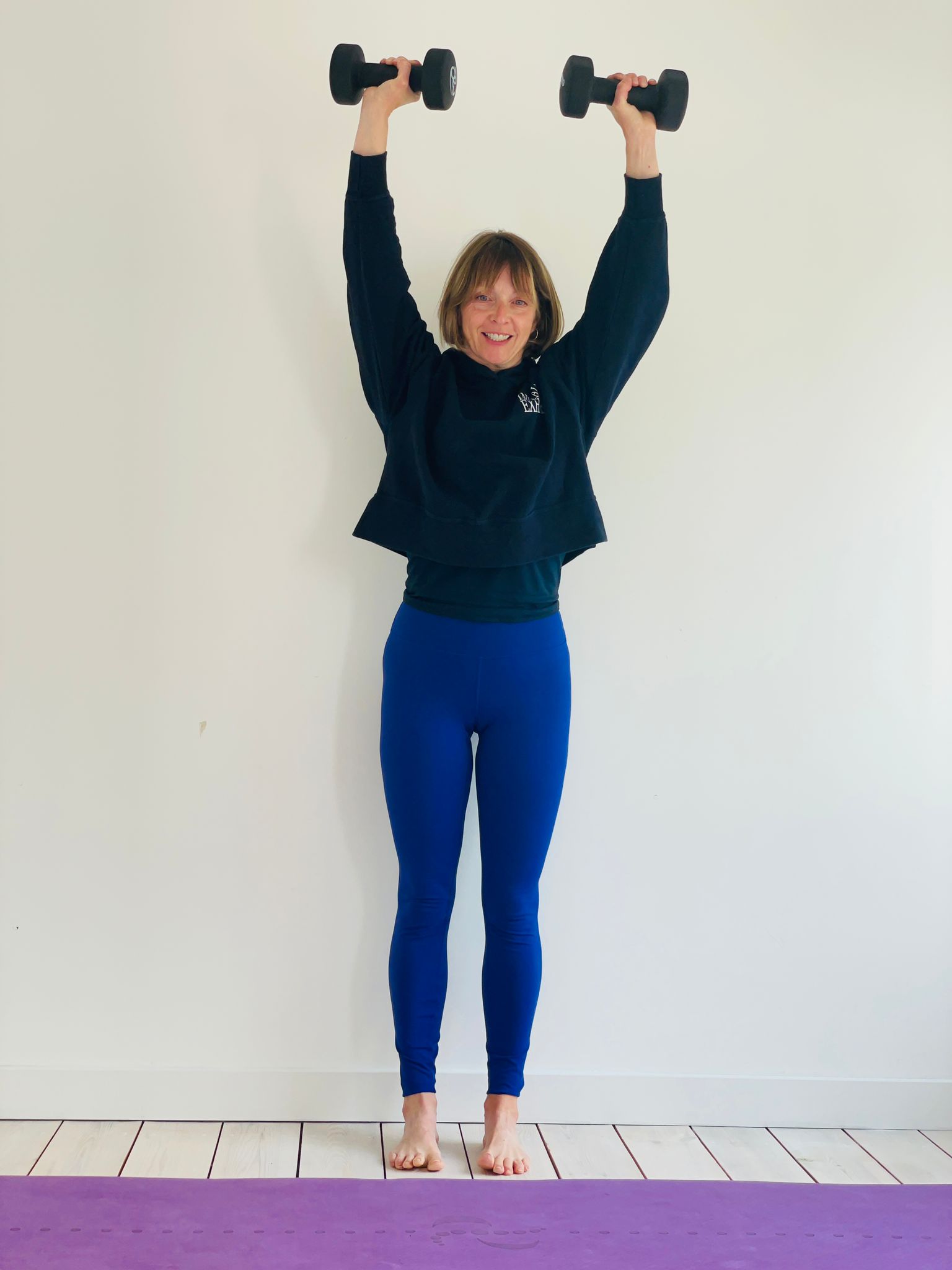
Can you Lift Weights with a Pelvic Floor Weakness? This is your guide to returning to strength training safely and effectively.
The short answer is: yes, you can lift weights with pelvic floor weakness—but how you do it matters greatly.
Here’s my best advice to help you stay strong, safe, and supported as you build your fitness back up.
1. Core + Pelvic Floor Function
If you notice symptoms like leakage, pelvic pressure, or your abdomen bulging/doming outward during exercise, it’s usually a sign that:
2. Breathe the Right Way
Proper breathing is key when lifting weights. You want to exhale during the effort phase of the movement—this helps manage intra-abdominal pressure and supports the pelvic floor.
Here are some quick examples:
Breathing might sound simple, but it’s often the missing piece when it comes to pelvic floor-safe strength work.
3. Leaking Isn’t “Just Part of Motherhood”
Let’s be real—being a mum is a full-body workout.
You’re lifting, bending, squatting, and carrying (often while sleep-deprived). Whether it’s bouncing your baby to sleep, hauling the buggy up stairs, or wrangling a toddler mid-meltdown, your body is working hard.
However, leakage during these everyday movements is a red flag.
If you’re leaking when you bend, lift, or transition from squat to standing, you don’t need to just “put up with it.” Instead:
This might mean adjusting your alignment, timing your breath, or using a different strategy altogether.
4. Function Over Fitness
The goal isn’t just to “get back in shape”—it’s to create a resilient, functional body that can handle the physical demands of motherhood.
You want a pelvic floor that supports you during work, rest, and play—not just in the gym, but when you’re lifting a baby off the floor, picking up toys, or carrying a nappy bag plus a wriggling toddler.
Need Some Help?
If you’re unsure whether a certain movement or exercise is right for you—or how to modify it—please feel free to get in touch.
I’d love to help you feel confident and strong in your body again.
Check out my social media for more tips on exercising with pelvic floor weakness. https://www.instagram.com/sammacewellness
